Sebastian Loo
RnB To Heavy Rock
Led Zeppelin, a legendary rock band formed in 1968, has left an incredible mark on the music landscape.
Their repertoire is a fascinating amalgamation of rhythm and blues, rock and roll, and blues influences. The band's unique sound can be traced back to their ability to infuse traditional blues elements with the raw energy of rock and roll.
At its core, Led Zeppelin's music is deeply rooted in the blues. The blues provided the band with a rich vocabulary of emotion and expression. One of their iconic tracks, "Whole Lotta Love," exemplifies this fusion. The song opens with a bluesy vocal delivery by Robert Plant, reminiscent of classic blues singers. However, as the track progresses, it transforms into a powerful rock anthem, showcasing the band's ability to seamlessly blend blues and rock elements.
Similarly, the influence of rhythm and blues is evident in Led Zeppelin's approach to instrumentation and groove. Songs like "Good Times Bad Times" and "Dazed and Confused" showcase the tight rhythm section of John Bonham on drums and John Paul Jones on bass, drawing from the rhythmic complexities of rhythm and blues. The use of dynamic shifts and syncopated rhythms in these tracks reflects the band's mastery of R&B techniques.
Led Zeppelin's engagement with rock and roll is palpable in their energetic performances and guitar-driven anthems. "Communication Breakdown" is a prime example, with Jimmy Page's guitar riffs drawing heavily from rock and roll traditions. The song's fast-paced tempo and upbeat energy pay homage to the roots of rock and roll, while adding a heavier, electrifying touch that characterizes Led Zeppelin's signature sound.
Technological advancements played a pivotal role in shaping Led Zeppelin's sonic landscape. The band embraced studio innovations, utilizing multi-tracking and effects to create a larger-than-life sound. The iconic guitar solo in "Stairway to Heaven" exemplifies this technological integration, as Page's guitar work is layered and textured, showcasing the possibilities afforded by advancements in recording technology.
Societal influences also permeate Led Zeppelin's music. The 1960s and '70s were marked by social upheaval, and the band's lyrics often touched on themes of love, mysticism, and introspection. "Immigrant Song," for instance, draws inspiration from Norse mythology, reflecting a broader interest in cultural and historical influences.
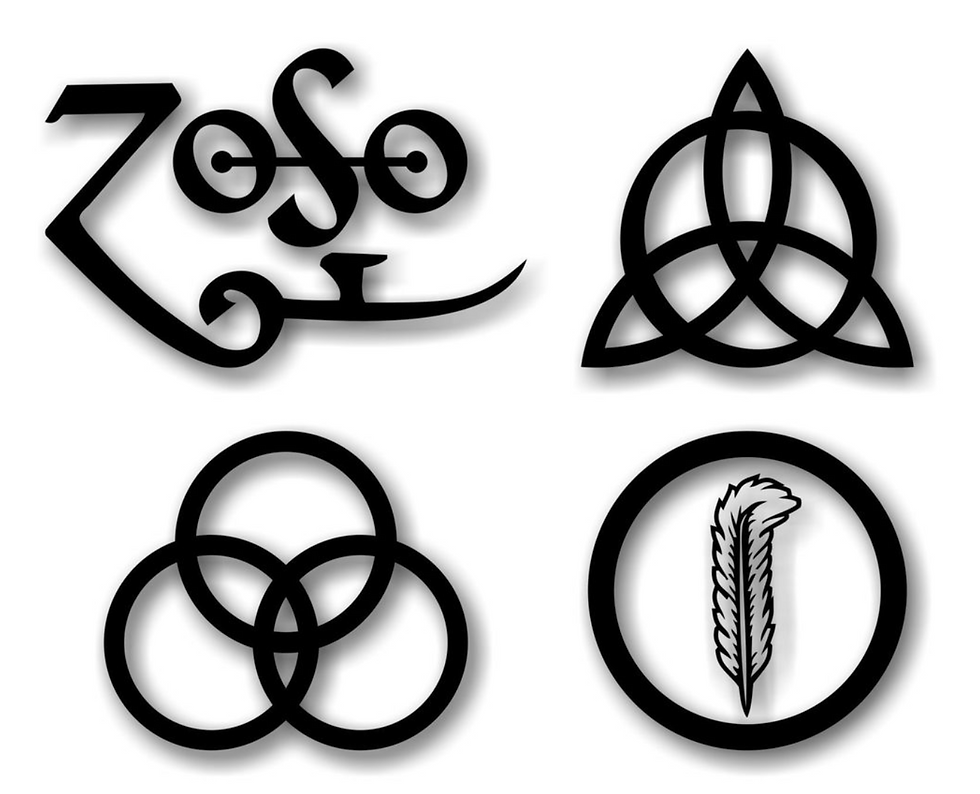
Moreover, Led Zeppelin's bluesy undertones and explorations of mysticism resonate with the countercultural movements of the time. The album cover art, such as that of "Led Zeppelin IV," is emblematic of this era, featuring symbols and imagery that invite listeners into a world where music, art, and philosophy converged.
In conclusion, Led Zeppelin's fusion of rhythm and blues, rock and roll, and blues created a musical tapestry that transcended genres. Their ability to navigate the complexities of these influences, while incorporating technological advancements and reflecting societal currents, solidified their status as one of the greatest rock bands in history. Led Zeppelin's legacy endures not only because of their technical prowess but also because of their capacity to infuse their music with emotion, innovation, and timeless connection to the roots of blues and rock.


Ska, Rocksteady and Reggae
Dawn Penn (born 11 January 1952) is a Jamaican reggae singer. She first had a short career during the rocksteady era from 1967 to 1969, but she is most known for her single "You Don't Love Me (No, No, No)", which became a worldwide hit in 1994. The song is reggae and so there notable characteristics like the one drop when the kick and rim shot fall on the third beat. Also the bass is a lot louder in most reggae songs and I think that ours could've have been louder. Also reggae includes skankin guitars which I think we did justice. I think the one drop in our version was very good but I think the bass in our version should be louder to make it feel more reggae.
